top of page
Mental Health
We're Talking About...
6.png

1 in 4 women
experience anxiety or depression during hormonal transitions
at least

The overlooked biological link between hormones, mood, and women’s mental health

When Hormones Speak, The Mind Listens

Mental health is often discussed as if it exists separately from the rest of the body, but for women, hormones and brain health are deeply intertwined. Oestrogen, progesterone and testosterone all influence neurotransmitters such as serotonin, dopamine and GABA, which regulate mood, motivation, sleep and emotional resilience. When hormone levels fluctuate or decline, as they do during puberty, postpartum, perimenopause and menopause, mental health can shift with them, sometimes dramatically.


This is not weakness, oversensitivity or imagination. Hormonal changes can affect stress tolerance, anxiety levels, sleep quality, focus and emotional regulation. Falling oestrogen may lower serotonin activity, while reduced progesterone can remove a natural calming effect on the brain. At the same time, chronic stress and poor sleep can further disrupt hormone balance, creating a cycle that feels hard to escape.


For some women, this can be the first experience of anxiety or depression in their lives. Postpartum and perimenopause are both recognised windows of vulnerability, yet symptoms are often treated in isolation with antidepressants, which may offer limited relief when hormones are a key driver. Recognising the hormonal context does not replace mental health care, but it can open the door to more effective, compassionate and personalised support.

Where Hormones and the Brain Connect

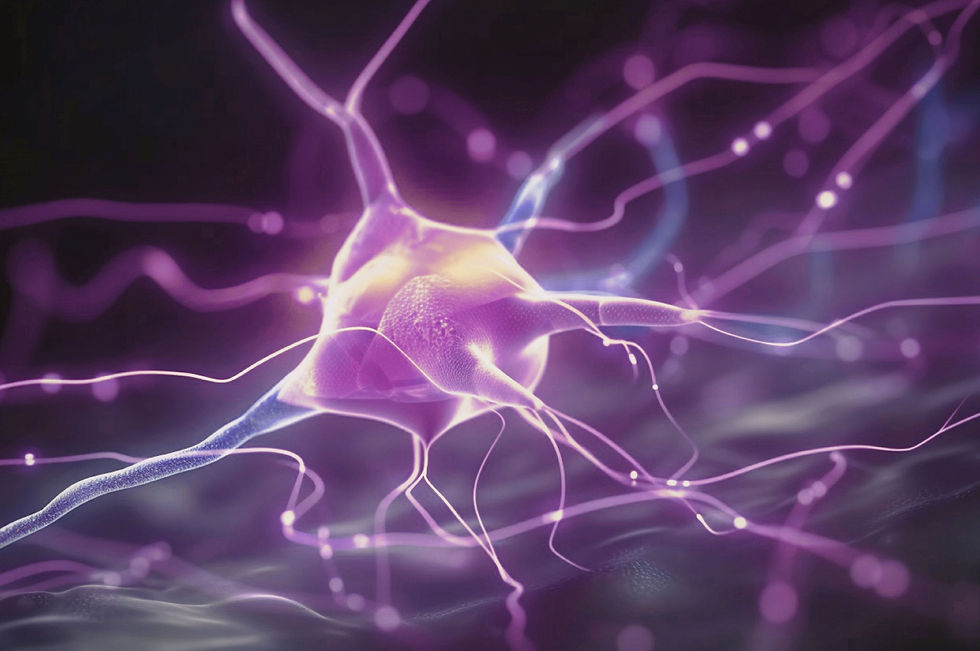
Much of women’s hormone activity is directed from the brain. At the centre of this system are two key structures: the hypothalamus and the pituitary gland. Together, they act as the body’s hormonal control centre, constantly monitoring stress, sleep, nutrition, and internal balance, then sending signals to the ovaries, adrenal glands, and thyroid to produce hormones.


This communication network is known as the hypothalamic–pituitary–ovarian axis. When it is working well, hormones rise and fall in a coordinated rhythm. When it is disrupted by stress, illness, hormonal transitions, or ageing, mental and emotional symptoms often appear first.


Oestrogen, progesterone, and testosterone all interact closely with neurotransmitters in the brain. Oestrogen supports serotonin and dopamine, which influence mood, motivation, memory, and emotional stability. Progesterone has a calming effect through its action on GABA, the brain’s primary calming neurotransmitter. Cortisol shapes the stress response, while chronic elevation can heighten anxiety and low mood.


This is why hormonal shifts can feel psychological but are deeply biological. Mood changes, anxiety, poor sleep, brain fog, or emotional sensitivity are not imagined responses. They reflect real neurochemical changes driven by hormonal signalling from the brain itself.

1.png
LisaMosconi_2019W-embed_edited.png

Experts To Follow

DR. LISA 
MOSCONI
Mental Health Hormones

From progesterone to cortisol, discover how key hormones shape mood, sleep, stress, and emotional wellbeing

Progesterone

The Calming Hormone

Progesterone has a naturally soothing effect on the brain.

It supports GABA, the brain’s main calming neurotransmitter, helping with relaxation, sleep quality, and anxiety regulation. When progesterone drops, many women experience insomnia, racing thoughts, inner agitation, or sudden anxiety.

Oestrogen

Mood, motivation, &  

mental clarity.

Oestrogen supports serotonin, dopamine, and brain blood flow. It plays a key role in mood stability, confidence, focus, and emotional resilience. Fluctuating or declining oestrogen can contribute to low mood, anxiety, brain fog, reduced motivation, and emotional sensitivity.

Testosterone

Drive, confidence, & cognitive sharpness

Often overlooked in women, testosterone supports mental energy, confidence, motivation, and cognitive processing speed. Low levels may be linked to low mood, reduced assertiveness, fatigue, and a sense of emotional flatness.

Cortisol

The Stress Hormone

Cortisol helps us respond to stress, but when levels stay elevated or become dysregulated, it can drive anxiety, irritability, poor sleep, low mood, and emotional burnout. Chronic stress can also disrupt other hormones, amplifying mental health symptoms.

T3 & T4 Hormones 

Energy and mood

Thyroid hormones (T3 & T4) influence brain energy, concentration, and emotional balance. When levels are low or poorly converted, symptoms can include low mood, anxiety, brain fog, low motivation, and emotional heaviness.

Insulin

Blood sugar and

emotional stability

Insulin regulates blood glucose, which directly affects mood and focus. Blood sugar swings can trigger anxiety, irritability, shakiness, low mood, fatigue, and difficulty concentrating, often mistaken for psychological issues alone.

Melatonin

Sleep & emotional regulation

Melatonin governs sleep timing and quality. Poor melatonin rhythms, common in perimenopause and menopause, are linked to insomnia, low mood, anxiety, poor stress tolerance, and emotional vulnerability.

Oxytocin

Connection &

emotional safety

Often called the bonding hormone, oxytocin supports feelings of connection, trust, and emotional security. Low levels can contribute to feelings of isolation, emotional disconnection, and low mood, particularly during hormonal transitions.

3.png
3.png

Why Sleep Is the Foundation of Mental Health

How rest restores your mood, memory, and emotional resilience

Sleep is not a luxury, it’s a vital mental health tool, especially for women navigating hormonal changes. Oestrogen, progesterone, and testosterone all influence sleep quality, and when they fluctuate, insomnia, night sweats, and restless nights can become frustratingly common. Poor sleep doesn’t just leave you tired; it affects neurotransmitters like serotonin and GABA, which regulate mood, stress, and emotional balance.


Chronic sleep disruption is linked to anxiety, low mood, brain fog, and reduced resilience to stress. It can exacerbate perimenopausal and menopausal symptoms, creating a cycle where hormones disturb sleep and lack of sleep worsens mental health.


Prioritising restorative rest involves both routine and environment. Consistent sleep times, limiting screens before bed, keeping bedrooms cool and dark, and managing caffeine and alcohol can all support hormonal and mental balance. 

Womankind Web & Blog Images.jpg

Simple, science-backed rituals that support deeper rest, calmer evenings, and steadier mental health.

Evening Ritual

Create a 20 minute

wind-down ritual with low light, slow movement, and quiet cues to signal safety

to the nervous system.

Let Sound Lead

Gentle bedtime music or sleep playlists calm mental noise, slow brainwaves, and help anxious minds release into deeper rest.

Cool to Sleep

A warm bath or shower before bed encourages a natural temperature drop, supporting melatonin release and easier sleep onset.

Choose True Calm

Skip alcohol at night. Magnesium drinks, herbal teas, or slow breathing soothe the nervous system without fragmenting sleep cycles.

Anchor the Morning

Natural daylight within an hour of waking resets circadian rhythm, improving sleep quality, mood stability, and daytime energy.

Sleep Hygiene Essentials

10.jpg

Sleep is one of the most powerful forms of repair available to us, especially in midlife. When we sleep well, we think more clearly, feel more emotionally steady, and cope better with stress. Behind this restorative effect is a remarkable system in the brain that only switches on during deep, high-quality sleep.


This system is called the glymphatic system. It is a fluid-based clearance network that runs through brain tissue and alongside blood vessels, gently washing away metabolic waste that accumulates during waking hours. It works most effectively during deep slow-wave sleep, when the nervous system is calm and the brain is fully supported in repair mode.


Hormones play a central role in how well this process functions. Oestrogen supports cerebral blood flow, sleep architecture, and efficient glymphatic clearance. As oestrogen fluctuates and declines during perimenopause and menopause, sleep often becomes lighter and more fragmented. Progesterone also contributes by calming the nervous system and supporting deeper stages of sleep.


More than 60% of women experience ongoing sleep disruption during midlife. Understanding the glymphatic system helps us see sleep not as a luxury, but as essential maintenance for long-term brain health, clarity, and emotional resilience.

The Brain’s Night-Time Cleanse

How sleep and the glymphatic system work with our hormones to clear toxins, boost memory, and restore balance

When the Mind
Feels Less Reliable

Small factors that quietly intensify symptoms

Brain fog rarely arrives alone. It is often turned up by the quiet pressures of everyday life, the ones we barely notice until clarity feels just out of reach.


Sleep that looks “good enough” on paper can still be fragmented or unrefreshing, leaving the brain underpowered the next day. Ongoing stress has a similar effect. When the nervous system is constantly on alert, the mind prioritises coping over clarity, making concentration, memory, and confidence harder to access. Blood sugar dips can add another layer, with long gaps between meals or quick-energy foods leading to sudden mental flatness rather than obvious hunger.


There are also deeper contributors that are easy to miss. Low iron, vitamin B12 deficiency, or subtle thyroid changes are common and can quietly affect cognition. Persistent inflammation or chronic pain further drains mental energy. None of these act alone, but together they can gently, and persistently, amplify brain fog.

5.png
Brain Fog Can Look Like

• Losing words mid sentence

• Forgetting familiar names

• Walking into a room and blanking

• Struggling to concentrate

• Mental fatigue by afternoon

• Reduced confidence at work

• Feeling mentally slower

• Difficulty multitasking

• Increased self doubt

• Overwhelm with small tasks

• Forgetting appointments

• Trouble following conversations

• Mental exhaustion after socialising

• Feeling less sharp than usual

• Needing more reminders

The Confidence Ripple Effect

How brain fog influences identity and self belief

For many women, the first sign something is off is not forgetting a word or losing focus, but a subtle shift in how they move through daily life. Confidence feels less automatic. Decisions take longer. Familiar situations begin to feel slightly out of reach.


This can show up in unexpected ways. Choosing clothes feels harder. Trying something new feels risky. Social plans become draining rather than energising. Conversations require more effort, and silence can creep in where confidence once lived.


Many women begin editing themselves, speaking less, shrinking back, or avoiding situations that once felt easy. Not because they want to, but because the mental effort feels heavier. Over time, this can create a quiet grief for a version of self that feels just out of reach.

Beyond the Fog

22.jpg
Helpful Tips 
  • Prioritise at least 8 hours of restorative sleep

  • Break tasks into smaller, manageable steps

  • Stay hydrated and balance electrolytes daily

  • Take short movement breaks to boost circulation

  • Use the notes app on your phone to set reminders

  • Share notes and tasks with family or partners

  • Pause for mindful breathing or a 5-minute reset

Reassuring truths for women experiencing cognitive changes and hormonal shifts

We’ve all had those moments when words slip through our fingers, when names, dates, or even simple tasks feel suddenly tricky. Brain fog can be concerning, but it is not a sign of permanent decline, laziness, or incompetence. Around two-thirds of women experience cognitive changes during perimenopause, yet these shifts are usually temporary and often reversible when underlying factors like hormones, sleep, stress, and nutrition are addressed.


Brain fog is not dementia, it typically fluctuates with the hormonal cycle, stress, and lifestyle habits. It is also not a reflection of personal failure or intelligence. Many of us feel it most on mornings after poor sleep, stressful days, or periods of rapid hormonal change. Recognising what brain fog is not can lift a heavy weight of fear and shame, letting us approach it with curiosity, care, and practical strategies.

2.jpg
3.png

When Pain Is Neurological Not “Just A Headache”

Why migraines tell a deeper story about women’s hormones

Around one in five women in the UK lives with migraines, and women are three times more likely than men to experience them. For many of us, migraines do not begin as a lifelong condition. They arrive or intensify during hormonally sensitive years such as puberty, postpartum, perimenopause, and menopause, often without warning.


Migraines are not simply bad headaches. They are a neurological condition involving changes in brain signalling, blood vessels, and sensory processing. Symptoms can include throbbing head pain, nausea, light or sound sensitivity, visual disturbances, dizziness, and fatigue that can linger long after the pain has eased. Some women experience migraines with little or no head pain at all, presenting instead with visual aura, brain fog, or a sense of disconnection, while others suffer for days with debilitating pain that can feel unbearable.


Hormones sit at the centre of this picture. Fluctuating oestrogen can lower the brain’s migraine threshold, while progesterone withdrawal may reduce the brain’s natural calming mechanisms. Over time, this can make migraines more frequent, more unpredictable, and more disruptive to daily life.


Understanding this hormonal link is often the first step towards better support, clearer conversations with clinicians, and more effective treatment choices.

Migraine or Headache?

Migraine
  • Usually last between 4 hours - 3 days

  • A neurological condition involving changes in brain activity, blood vessels, and sensory pathways.

  • Pain may be throbbing or one sided, but can also occur with little or no head pain at all.

  • Common features include nausea, light or sound sensitivity, visual changes, dizziness, brain fog, or profound fatigue.

  • Hormonal fluctuations, especially changes in oestrogen and progesterone, can lower the brain’s migraine threshold.

  • Migraine attacks can last hours or days and may significantly affect work, relationships, and daily functioning.

  • May not respond reliably to simple painkillers alone, and may need specifically targeted migraine medications.

Headache
  • Often linked to muscle tension, dehydration, eye strain, stress, or missed meals.

  • Pain is usually dull, pressing, or tight, often felt on both sides of the head or around the temples.

  • Symptoms tend to build gradually and improve with rest, hydration, or simple pain relief.

  • There is usually no nausea, visual disturbance, or sensory sensitivity.

  • Headaches can be uncomfortable and disruptive, but they do not involve changes in brain signalling or neurological processing.

  • Often responds to general painkillers such as paracetamol or ibuprofen, particularly early on. 

  • Usually last between 15mins - 3 hours

1.jpg
Types of Migraine

There is no one-size-fits-all migraine experience.
Symptoms, triggers, and severity can vary widely between women and across time.

Migraine Without Aura

The most common form, affecting around 70 to 75% of people with migraine. Characterised by moderate to severe throbbing head pain, often one-sided, with nausea, fatigue, and light or sound sensitivity.

Migraine With Aura

Experienced by around 25 to 30% of women with migraine. Includes temporary neurological symptoms such as visual disturbances, zigzag lines, blind spots, tingling, or speech difficulty before or during the headache phase.

Menstrual Migraine

Affects up to 60% of women with migraine. Closely linked to oestrogen withdrawal and typically occurs in the days before or during a period, often more severe, longer lasting, and less responsive to standard pain relief.

Chronic Migraine

Defined as migraine symptoms on 15 or more days per month, with at least 8 days having migraine features. Affects around 1 to 2% of the population and is more common in women, particularly during perimenopause.

Vestibular Migraine

A common but underdiagnosed type, affecting up to 10% of people with migraine. Symptoms include dizziness, vertigo, balance issues, nausea, and motion sensitivity, sometimes with minimal head pain.

Ocular or Retinal Migraine

A rare form involving temporary visual loss or disturbance in one eye only. Symptoms are short-lived but can be alarming and always require medical assessment to exclude other causes.

Silent Migraine

Also known as migraine without headache. Neurological symptoms such as aura, nausea, brain fog, or sensory disturbance occur without significant head pain, more commonly reported during midlife hormonal change.

Hemiplegic Migraine

A rare but serious subtype involving temporary weakness or paralysis on one side of the body. Symptoms can mimic stroke and require urgent medical evaluation, though attacks are reversible.

Supporting The Mind & Body

Exploring treatment options for hormone-related anxiety, depression, and mood changes

Hormonal fluctuations and deficiencies can profoundly affect mood, cognition, and emotional resilience. Identifying whether anxiety or depression is linked to hormone changes is key. When it is, treatments that restore balance, like HRT and testosterone, can be highly effective. Research shows that women using combined HRT and transdermal testosterone report significant improvements in mood, concentration, and motivation, with one study finding 28% were able to stop antidepressants entirely compared to 16% on standard HRT alone.


Medication, including antidepressants, remains a valid option, particularly when hormonal links are less clear or there is a long-term history of mood disorders. Cognitive behavioural therapy (CBT) and counselling provide essential ongoing support, helping manage stress, build coping strategies, and maintain emotional wellbeing.


Treatments work best alongside lifestyle integration, including sleep, nutrition, exercise, and stress management, combined with monitoring and follow-up. Approaches can be complementary, tailored to the individual, and adjusted as symptoms change, giving women effective, compassionate, and personalised care.

Calm Is a Biological State

How the vagus nerve helps regulate mood, anxiety, and recovery

The vagus nerve is the longest cranial nerve in the body, stretching from the brain to the heart, lungs, gut, and immune system. It acts as a vital two-way communication highway, allowing the brain to sense signals from the body and coordinate stress responses, digestion, and inflammation. Central to emotional balance, it plays a starring role in helping us recover from stress and maintain mental wellbeing.


This nerve drives the parasympathetic nervous system, our natural “rest, digest, repair” state, which gently counterbalances the sympathetic “fight or flight” system. Our mental health depends on the ability to shift out of stress efficiently rather than avoiding it. Feelings of anxiety, overwhelm, or burnout often reflect nervous system overload, not personal weakness.


For women, the vagus nerve’s influence is particularly important. Hormonal shifts across the menstrual cycle, perimenopause, and menopause sensitise the nervous system. Oestrogen and progesterone interact closely with stress pathways, and perimenopause often tips the balance toward sympathetic dominance. Chronic stress can lower vagal tone, dampening the body’s natural ability to recover and regulate emotions.


Vagal tone reflects how efficiently the vagus nerve functions. Low vagal tone is associated with anxiety, depression, inflammation, and disrupted sleep, while higher vagal tone supports resilience, emotional regulation, and a sense of calm focus. Practices like gentle breathwork, mindfulness, and lifestyle adjustments can strengthen vagal tone, nurturing both mental and physical wellbeing.

Women meditating
Looking at Sky

JUST BREATHE

Why slowing the breath can steady the mind

Many of us recognise the feeling. A tight chest, shallow breathing, racing thoughts, a nervous system stuck on high alert. In midlife, hormonal change can lower stress tolerance, making anxiety, low mood, and overwhelm feel closer to the surface. Around one in four women in the UK report clinically significant anxiety at some point, with rates rising during perimenopause and menopause.


Breathwork and meditation matter because they work directly on the nervous system. Slow, controlled deep breathing activates the parasympathetic response, reducing cortisol, lowering heart rate, and supporting neurotransmitters such as GABA and serotonin. This creates a chain reaction. Less stress chemistry, steadier mood, clearer thinking, and better sleep.


This is not about having complete silence or meditating perfection. It is about giving the brain repeated signals of safety, especially during hormonally sensitive years when emotional resilience can feel stretched.

Quick Vagal Tone Boost
4-7-8 Breathing

​Sit comfortably with one hand on the chest and one on the abdomen. Breathe in quietly through the nose for 4 seconds, allowing the belly to soften and expand. Hold the breath gently for 7 seconds, without tension. Then exhale slowly through the mouth for 8 seconds, as if fogging a mirror.


Repeat this cycle four times.


This breathing pattern stimulates the vagus nerve, shifts the body out of stress mode, and supports parasympathetic nervous system activity. Many women notice a softening of anxiety, a steadier heart rate, and clearer thinking within minutes. Practised regularly, especially before sleep or during moments of overwhelm, it can support emotional regulation, sleep quality, and hormone related stress responses.

Women's Brains Are At Risk

Midlife is a period of profound neurological change, largely because the brain’s relationship with hormones shifts dramatically. Oestrogen, progesterone and testosterone are active in the brain, supporting glucose metabolism, reducing inflammation, and helping nerve cells communicate and repair. As oestrogen declines during perimenopause and menopause, these protective effects lessen, and the brain adapts in ways researchers are only beginning to understand.


Scientific research on female brain ageing has historically been limited, but emerging evidence shows that hormone replacement therapy started within five to ten years of the last period can meaningfully support long-term brain health. Observational data indicate that early oestrogen-only HRT is associated with up to a 32 per cent reduction in dementia risk, while combined oestrogen and body-identical progesterone therapy offers around 23 per cent protection.


Timing is crucial. Later initiation after age 65 does not show the same cognitive benefits. Sleep, cardiovascular fitness, social connection and mental stimulation also shape cognitive resilience. Understanding hormonal contributions provides women with clear, science-led options for midlife and beyond.

A Silent Suicide Crisis

Many women are struggling in silence, hidden behind daily life and hormonal shifts.

Many women in their 40s, 50s, and early 60s experience profound emotional distress that often goes unrecognised. Around one in six women in midlife report thoughts of ending their life, yet these feelings remain largely hidden and rarely discussed. Hormonal fluctuations during perimenopause and menopause, particularly drops in oestrogen and progesterone, can heighten anxiety, low mood, and emotional overwhelm, making coping more difficult.


Left unnoticed, these feelings can escalate, but evidence shows that hormone-informed care, including body-identical HRT, can significantly reduce suicidal ideation. Understanding the hormonal contribution to mental health helps us see these experiences as signals of imbalance rather than personal failure.


Acknowledging this reality helps us care for ourselves and each other with compassion, clarity, and evidence‑based support. Recognising early signs and seeking timely help can make a profound difference to safety, wellbeing, and mental health resilience.

RED FLAGS
  • Talking about wanting to die or feeling hopeless

  • Withdrawing from friends, family, or social life

  • Giving away possessions or organising personal affairs

  • Increased alcohol or substance use

  • Engaging in risky or self‑harming behaviour

  • Heightened anxiety, hopelessness, or sudden rage

  • Expressing guilt, shame, or feeling like a burden

  • Persistent self‑loathing or self‑hatred

  • Preoccupation with death or dying

  • A sudden sense of calm after a period of deep distress

You Are Not Alone: Support for Women

You deserve support, and you do not have to face challenges alone. There is a UK network of 24-hour helplines, NHS mental health services, and trusted organisations across the UK ready to listen, guide, and provide care when life feels overwhelming. Reaching out is a sign of strength, not weakness, and a step towards safety, emotional wellbeing, and resilience. Understanding where to turn and how support works helps us care for ourselves and each other, reminding us that even in difficult moments, connection, guidance, and help are always within reach.

Urgent Support 
  • Samaritans – call 116 123 - Free, confidential emotional support, 24/7

  • NHS - Call 111 or 999 - Urgent mental health and crisis support, 24/7

  • Shout – Text 85258 - Free, confidential text support 24/7

  • SANEline – 0300 304 7000 - Support, 4pm to 10pm, 365 days a year

  • Mind Infoline – 0300 123 3393 Guidance & support, Monday to Friday, 9am to 6pm

Ongoing Support 
  • GP / NHS Mental Health Services

    Contact your registered GP practice directly

    NHS guidance and pathways: www.nhs.uk/mental-health

    NHS 111 available 24/7 for advice if unsure where to start

  • NHS Talking Therapies (IAPT)

    Free NHS psychological therapies for anxiety, depression, trauma, and stress

    Self-referral available in many areas

    Find local services: www.nhs.uk/talkingtherapies

  • Mind

    National mental health charity offering local counselling, peer support, and advice

    Mind Infoline: 0300 123 3393

    Website: www.mind.org.uk

  • Samaritans (Local Branch Support)

    Local branches offer ongoing listening support in addition to the helpline

    Helpline: 116 123

    Branch finder and information: www.samaritans.org

  • Rethink Mental Illness

    Peer support groups, education programmes, and ongoing mental health support

    Advice Line: 0300 5000 927

    Website: www.rethink.org

bottom of page