top of page
Skin & Hair
We're Talking About...
31.jpg

Skin & Hormones: The Story
Written on Our Skin

Our skin is not just a surface. It is a hormone-responsive organ that shifts and adapts throughout life. From the oil-driven changes of puberty to the collagen loss of midlife and the dryness that can follow menopause, hormones quietly shape how skin looks, feels, and heals.


Oestrogen supports hydration, elasticity, and thickness. Testosterone influences oil production and breakouts. Cortisol affects inflammation and sensitivity. Insulin and thyroid hormones play roles in repair, pigmentation, and texture. As these hormones rise and fall with age, stress, cycles, pregnancy, and menopause, skin responds in real and visible ways.


This is why skin concerns are not limited to teenage acne. Adult breakouts, pigmentation, sensitivity, thinning, and accelerated ageing often reflect internal hormonal shifts rather than poor skincare. Understanding this biology helps explain why skin changes over time and why different stages of life call for different approaches, patience, and expectations.

Screenshot 2026-01-13 at 17.12 Backgroun

Experts To Follow

DR. VERONICA 
ELIZABETH
Key Hormones That Shape Skin
  • Oestrogen supports collagen

  • Testosterone influences oil

  • Cortisol drives inflammation

  • Insulin affects cell repairs

  • Thyroid controls turnover

How Skin Changes
With Life Stages
  • Puberty increases oil

  • Cycles affect sensitivity

  • Pregnancy shifts pigment

  • Perimenopause thins skin

  • Menopause increases dryness

Pink Gradient Background
Skin Through the Stages of Life

From teenage years through midlife and beyond, hormones influence every layer of the skin. As oestrogen, testosterone and stress hormones change, so do common skin concerns. Each stage benefits from a different approach, with care that reflects biology, lifestyle and long-term skin health.

Puberty & Teens

Hormone Effect

• Rising oestrogen and testosterone

• Increased oil production

• Faster skin cell turnover


Common Skin Issues

• Acne and congestion

• Blackheads and whiteheads

• Increased shine and breakouts

20s & Early 30s

Hormone Effect

• Hormones stabilise but fluctuate monthly

• Stress hormones begin to impact skin

• Early collagen changes begin


Common Skin Issues

• Adult acne around jawline

• Sensitivity and dehydration

• Early pigmentation or scarring

Pregnancy

Hormone Effect

• High oestrogen and progesterone

• Increased pigment activity

• Shifts in immune response


Common Skin Issues

• Melasma and dark patches

• Sensitivity and flushing

• Changes in hair and scalp

Perimenopause

Hormone Effect

• Fluctuating oestrogen and progesterone

• Rising cortisol sensitivity

• Slowing collagen production


Common Skin Issues

• Breakouts alongside dryness

• Pigmentation changes

• Increased redness or reactivity

Menopause

Hormone Effect

• Significant oestrogen decline

• Reduced collagen & lipids

• Slower skin repair


Common Skin Issues

• Dry, itchy or thinning skin

• Loss of firmness & elasticity

• Delayed healing & sensitivity

Post Menopause

Hormone Effect

•Lower baseline hormone levels

• Reduced circulation & renewal

• Thinner skin barrier


Common Skin Issues

• Fragility and easy bruising

• Persistent dryness

• Increased sun damage visibility

37 Background Removed.png

The Fitzpatrick Scale - Skin Tone Scale

Screenshot 2026-01-14 at 17.13 Background Removed.28.png

Experts To Follow

DR. EMMA 
WEDGEWORTH
Type I

Very fair skin that always burns and never tans. Often sensitive and prone to redness and sun damage.

Type II

Fair skin that burns easily and tans lightly. Higher risk of sun damage and pigmentation.

Type III

Light to medium skin that sometimes burns and gradually tans. Generally more resilient but still sun sensitive.

Type IV

Medium to olive skin that rarely burns and tans easily. Higher risk of pigmentation with hormonal changes.

Type V

Brown skin that almost never burns and tans deeply. More prone to pigmentation and uneven tone.

Type VI

Deeply pigmented skin that does not burn. Higher risk of post-inflammatory pigmentation and scarring.

The Fitzpatrick scale is a simple way to understand how skin reacts to the sun. It looks at whether skin burns, tans easily or is more likely to develop pigmentation, rather than focusing on colour alone. This matters because hormones, sun exposure and skin treatments all affect skin differently depending on type. Knowing where skin sits on the scale helps guide safer skincare choices, sun protection and in-clinic treatments, especially during hormonally sensitive times like pregnancy, perimenopause or menopause.

29.jpg

Why hormones can leave skin dry reactive, itchy and inflamed

Dry & Sensitive Skin

Dry, sensitive skin is often driven from the inside out. Hormonal shifts can weaken the skin barrier, reduce natural oils and increase inflammation, making skin feel tight, sore or unpredictable. Falling oestrogen lowers hydration, collagen and repair speed, while cortisol from chronic stress increases redness and reactivity. Thyroid imbalance can slow skin renewal, and insulin resistance may worsen inflammation and texture.


These changes can trigger or worsen conditions such as eczema, rosacea, perioral dermatitis and contact sensitivity, even in women who never had skin issues before. Skin may suddenly react to products that were once well tolerated.


Support often works best when layered. Gentle, barrier-repair skincare with ceramides and glycerin can calm dryness. Medical options such as prescription creams, LED light therapy or skin boosters may help restore comfort. Natural support like omega-3 fats, stress reduction, adequate sleep and avoiding harsh actives can also make a visible difference over time. Each persons skin and condition is unique to them and working with a dermatologist will help tailor treatments and ensure safety. 

From Bounce to Brittle

Understanding Hormonal Hair Loss

Hair changes are one of the less-talked-about signs of hormonal shifts, yet they are extremely common. In the UK, millions of women experience thinning, breakage, or shedding at some stage, whether during pregnancy, perimenopause, menopause, medical treatments or times of stress and thyroid changes.


Hormones like oestrogen, progesterone, testosterone, and thyroid hormones all influence the hair cycle, from growth to shedding. Stress, illness, and certain medications can also push hair into a resting phase, making shedding more noticeable.


What matters is gentle, supportive care. Choosing non-toxic, hormone-friendly shampoos, conditioners, and styling products helps avoid adding irritation or disruption to your scalp. Lifestyle choices, nutrition, and scalp stimulation all play a role in keeping hair strong, healthy, and resilient as your hormones ebb and flow.

20.png
Hormone-Friendly Hair Tips
  • Choose gentle, non-toxic shampoos and conditioners

  • Avoid hormone-disrupting ingredients like parabens and sulfates

  • Keep heat styling to a minimum

  • Support follicles with collagen supplements daily

  • Consider low-level LED hair therapy at home

  • Maintain a nutrient-rich diet with protein and vitamins

  • Reduce stress to protect hormone balance

  • Limit harsh chemical treatments and bleaching

  • Regular scalp massages to improve blood flow

  • Track hair changes alongside hormonal cycles

Breaking Through: Adult Acne and Hormonal Shifts

Acne in adulthood is far more common than many realise, affecting up to 50% of women over 25 in the UK. Hormones are often the hidden culprit, with fluctuations in oestrogen, progesterone, testosterone, and cortisol influencing oil production, inflammation, and clogged pores. Stress, menstrual cycles, pregnancy, perimenopause, menopause, and certain medications can all trigger breakouts, even when teenage acne was never an issue.


Managing adult acne is about understanding the balance beneath the surface. Gentle, non-comedogenic skincare, hormone-friendly products, and consistent routines can calm inflammation and reduce flare-ups. Nutrition, stress management, and professional advice from a dermatologist or aesthetic practitioner may also help. Recognising the hormonal connection empowers women to approach adult acne with patience, informed choices, and confidence rather than frustration.

Beige Texture
ROSACEA

Rosacea is a long-term inflammatory skin condition that goes far beyond surface redness. It is now understood to involve the immune system, blood vessels, the gut and the skin barrier itself. Many women notice rosacea flares alongside hormonal shifts, particularly during perimenopause, menopause, pregnancy or periods of high stress, when cortisol and oestrogen changes affect inflammation and vascular sensitivity.


There are several types of rosacea, including flushing-dominant redness, visible thread veins, acne-like breakouts and thickened or textured skin. Triggers vary from person to person and may include heat, sun exposure, spicy food, alcohol, stress and gut disruption. Because rosacea can look different across skin tones and life stages, it is often misdiagnosed as acne or sensitivity. Understanding the underlying drivers allows for calmer, more targeted care rather than aggressive treatments that may worsen symptoms.

Treatments To Consider 
  • Barrier-kind, fragrance-free skincare

  • Daily high-protection SPF

  • Azelaic acid to calm inflammation

  • Vascular laser or IPL for redness

  • Microneedling for texture support

  • NeoGen plasma for skin repair

  • Trigger identification and gut support​​​​​

ECZEMA

Eczema is a chronic inflammatory skin condition driven by immune system overactivity and a weakened skin barrier. Hormonal changes can play a significant role, with many women noticing flares during perimenopause, menopause, pregnancy or periods of emotional stress, when shifts in oestrogen and cortisol affect inflammation, hydration and repair. Gut health, allergies and environmental triggers also influence flare patterns.


Eczema can appear as dry, itchy, cracked or inflamed skin and may affect the face, hands, body or scalp. There are several types, including atopic eczema and contact dermatitis, each with different triggers and patterns. Because the skin barrier is compromised, overly active treatments often worsen symptoms. Supporting skin resilience while calming immune response is key to long-term management.

Treatments To Consider
  • Barrier-repair, lipid-rich skincare

  • Fragrance-free skin routine

  • Anti-inflammation topical creams

  • Prescription oral medications

  • LED light therapy 

  • Colloidal oatmeal baths

  • Wet wrap therapy

  • Trigger identification

PSORIASIS

Psoriasis is a chronic autoimmune condition where skin cells renew far too quickly, leading to thickened, inflamed plaques. Hormones strongly influence disease activity, with flares often linked to puberty, pregnancy, perimenopause and menopause. Declining oestrogen can increase inflammatory signalling, making symptoms more persistent during midlife.


Psoriasis presents in several forms, including plaque psoriasis, scalp involvement and inverse psoriasis in skin folds. Triggers may include stress, illness, gut imbalance and systemic inflammation. Although it appears on the skin, psoriasis is connected to whole-body immune function, which is why gentle, supportive care works better than harsh exfoliation or stripping treatments.

Treatments To Consider
  • Barrier-repair, fragrance-free skincare

  • Anti-inflammatory diet

  • Fragrance-free make-up

  • Light therapy

  • Stress management 

  • Aromatherapy

  • Epsom bath salts

  • Trigger identification and gut support​​​​

Womankind Web & Blog Images.jpg

When Hormones Leave Their Mark On The Skin

The link between hormones, melanin production and uneven skin tone across life stages

Pigmentation refers to changes in skin colour caused by melanin, the pigment that gives our skin its tone. While these shifts are common and medically harmless, their emotional impact can vary widely. Some women barely notice new patches or uneven tone, while others feel deeply affected, particularly when pigmentation appears suddenly or changes with age, hormones or life transitions.


Hormonal fluctuations play a key role in how melanin behaves. Changes in oestrogen, progesterone and cortisol can stimulate pigment-producing cells, making skin more reactive to light, inflammation and internal stress. This is why pigmentation often appears during perimenopause, menopause, pregnancy or periods of prolonged stress.


For many women, pigmentation is not just a cosmetic concern. It can affect confidence, identity and how comfortable we feel being seen. Understanding that these changes are biologically driven can be an important first step toward self-compassion and informed care.

Spot the Difference: Understanding the Many Types of Pigmentation
10.jpg

Sun Spots

Often called age spots or liver spots, are small areas of darker skin caused by cumulative sun exposure over the years. They can appear on the face, hands, chest, and arms, and while harmless, they often catch attention. Sun spots can become more noticeable with hormonal changes and ageing, making them a common concern for women in midlife.

Ask About:

  • Chemical Peels

  • IPL or laser treatments like NeoGen

  • Cryotherapy

  • Retinoids, tretinoins

  • High level sunscreens & other sun protection

Melasma (Hormonal Pigmentation)

Melasma is patchy pigmentation usually triggered by hormonal changes such as pregnancy, contraception, or menopause. It typically appears on the cheeks, forehead, and upper lip. Sun exposure, inflammation, and genetics can make it more pronounced. While it is not harmful, the visibility can impact confidence and wellbeing.

Ask About:

  • Mineral Sunscreens +SPF50

  • Chemical Peels

  • IPL or laser treatments like Fractional

  • Microneedling

  • Retinoids, tretinoin creams

15.jpg
11.jpg

Post-Inflammatory Hyperpigmentation (PIH)

Post-inflammatory hyperpigmentation happens after acne, eczema, or other skin injuries. The skin overproduces melanin while healing, leaving darker marks that fade slowly over time. PIH can affect any skin tone and may appear months after the initial inflammation.

Ask About:

  • Mineral Sunscreens +SPF50

  • Salicylic Acids & Vitamin C serums

  • Chemical Peels

  • IPL or laser treatments like Fractional

  • Microneedling

  • Retinoids, tretinoin creams

Layering is Key
Apply sunscreen under makeup, not over, for best protection.

Everything you need to know about SPF, ingredients, and choosing what works for your skin.

Ceiling Lights Matter
Overhead fluorescent or LED lights can subtly affect pigmentation over time.

Texture Trick
Mineral sunscreens can double as a subtle 
mattifying primer

Don't Forget
Ears & 
Neck
Often missed but sensitive to UV damage

Sunscreen isn’t just for holidays, it’s your everyday beauty essential. There are two main types to know: mineral (physical) sunscreens and chemical sunscreens. Mineral blockers, like zinc oxide or titanium dioxide, sit on top of the skin and reflect UV rays away. They’re gentle, great for sensitive skin, and provide instant protection. Chemical filters, such as avobenzone or octocrylene, absorb UV rays and convert them into heat before it reaches deeper skin layers. They feel lighter, blend easily, and are common in makeup with SPF. Look for broad-spectrum protection (UVA and UVB) and SPF 30 or higher. Avoid fragranced or alcohol-heavy products, and remember UV can affect skin even on cloudy days. Reapply generously, and make it part of your daily ritual.

Sunscreen Smarts: Protect Your Skin the Right Way

25.jpg

Prescription Skincare:
What’s Worth Your Attention

Professional prescription options can offer real results when over-the-counter products aren’t enough. From topical steroids to calm inflammation, to retinoids that improve texture, reduce pigmentation, and encourage cell turnover, there’s a wide range of options tailored to different concerns. Antibiotic creams, azelaic acid, and hormone-friendly tretinoids may also be prescribed for acne, rosacea, or other inflammatory conditions.


It’s important to remember that these treatments work best when used thoughtfully and under guidance, as overuse or misuse can damage the skin barrier or cause irritation. A dermatologist or prescribing practitioner can advise on what’s appropriate, safe, and compatible with your skin type, tone, and life stage. Professional prescription options can complement gentle daily care, hormone-aware routines, and lifestyle measures, giving women effective, long-term tools for healthier, calmer, and more resilient skin.

Professional Skin Treatments 
Broken Down

These treatments differ widely in intensity, results, and recovery time. Seeking personalised guidance from a qualified dermatologist or clinician helps ensure any treatment choice is based on your skin, health history, and comfort level.

7.jpg

Microneedling

Microneedling uses fine needles to create controlled micro-injuries in the skin, triggering collagen and elastin production. It is commonly used for texture, scarring, fine lines, and overall skin quality, and can be combined with targeted serums.


What it involves: A numbing cream is applied before the device is passed over the skin. Sensation is usually tolerable.


Downtime: Redness for one to three days, similar to mild sunburn.


Pros: Improves skin texture and firmness, minimal downtime, suitable for many skin types.

Cons: Results are subtle and cumulative, requires multiple sessions.

19.jpg
Screenshot 2026-01-14 at 17.28 Background Removed.07.png

Experts To Follow

DR. SHEREENE 
IDRISS

IPL (Intense Pulsed Light)

IPL is a light-based treatment used to target pigmentation, redness, broken capillaries, and sun damage. It works by delivering pulses of broad-spectrum light that are absorbed by pigment or blood vessels, helping to even skin tone over time. It does not resurface the skin and is often used as a course of treatments.


What it involves: A cooling gel is applied before light pulses are delivered to the skin. Sensation is often described as a warm snap or flick.


Downtime: Mild redness for a few hours to a day. Pigmentation may darken temporarily before fading.


Pros: Minimal downtime, helpful for redness and sun damage, suitable for maintenance.

Cons: Results are gradual, not suitable for all skin tones, multiple sessions required.

15.jpg

Chemical Peels (Medical Grade)

Medical-grade chemical peels use acids to exfoliate the skin and stimulate renewal. Strengths vary from superficial to deeper peels, depending on concerns such as acne, pigmentation, fine lines, or dullness. Depth determines both results and recovery time.


What it involves: The solution is applied for a controlled period before neutralisation. Tingling or burning is common during treatment.


Downtime: Ranges from minimal flaking to several days of peeling and redness, depending on peel depth.


Pros: Improves brightness, texture, and pigmentation, adaptable to different skin needs.

Cons: Downtime varies, risk of irritation or pigmentation if not properly selected.

12.jpg

Cryotherapy / Cold Therapy Treatments

Cryotherapy uses controlled cold temperatures to reduce inflammation, puffiness, and improve skin tone. It is often combined with facials or used locally for specific areas.


What it involves: A targeted cold device or treatment chamber cools the skin. Sensation is chilly but tolerable.


Downtime: None; some redness may appear briefly.


Pros: Reduces swelling, tones, invigorates skin, anti-inflammatory benefits.

Cons: Temporary effects, not suitable for extreme cold sensitivity.

3.jpg

Radiofrequency Microneedling

This treatment combines microneedling with radiofrequency energy delivered into deeper skin layers. It is designed to tighten skin, improve laxity, and stimulate deeper collagen production compared to standard microneedling.


What it involves: Numbing cream is used. Heat sensation can be felt during treatment, varying by depth and settings.


Downtime: Redness and swelling for two to five days, sometimes longer.


Pros: Skin tightening benefits, deeper collagen stimulation, useful for ageing skin.

Cons: More discomfort than standard microneedling, higher cost, downtime varies.

10.jpg

Neogen Plasma (Plasma Skin Tightening)

Neogen uses plasma energy to heat the skin surface, triggering contraction and collagen stimulation. It is often used for texture refinement, acne, fine lines, and skin tightening, particularly around delicate areas like eyelids & lips.


What it involves: A numbing cream is applied. Treatment creates small surface dots that heal over several days.


Downtime: Five to seven days of visible marks and redness, followed by ongoing healing, depending on level used.


Pros: Tightening effect, targeted treatment areas, collagen stimulation. Tailored to goals.

Cons: Visible downtime, discomfort, results depend level settings.

NeoGen-Blog-Plasma.jpg.webp

LED Light Therapy

LED light therapy uses different wavelengths of light to target skin concerns. Blue light helps reduce acne-causing bacteria, red light promotes collagen, and near-infrared reduces inflammation and supports healing.


What it involves: Skin is cleansed, and a light panel is held over the face for 15–30 minutes. Painless and relaxing.


Downtime: None. Some mild warmth may be felt.


Pros: Non-invasive, safe for all skin types, targets multiple concerns.

Cons: Requires repeated sessions, results are gradual.

12.jpg

Fraxel CO₂ Laser

Fraxel CO₂ is a powerful resurfacing laser used to improve sun damage, pigmentation, scarring, lines and overall skin texture. It works by creating controlled micro-injuries in the skin, prompting a strong healing response and stimulating new collagen production. Because it reaches deeper layers of skin, results can be significant but so is the recovery.


What it involves: Skin is carefully prepared in the weeks beforehand, often with prescribed skincare. A strong numbing cream is used, but treatment can still feel uncomfortable or painful depending on the intensity setting used.


Downtime: Expect around seven days of redness, swelling and crusting, followed by ongoing sensitivity as skin heals.


Pros: Noticeable skin renewal, long-lasting results, effective for sun damage and texture.

Cons: Pain, visible downtime, strict aftercare required, must be performed by a highly experienced practitioner.

Oxygen Facials / Hydrafacial

These facials combine hydration, gentle exfoliation, and infusion of serums to leave skin glowing and refreshed. They can address dryness, dullness, and uneven texture.


What it involves: A machine exfoliates and infuses nourishing serums while oxygen or water jets refresh the skin.


Downtime: None; skin may feel slightly flushed for a few hours.


Pros: Immediate glow, gentle, relaxing, suitable for sensitive skin.

Cons: Temporary effects, multiple sessions recommended for lasting results.

6.jpg

Enzyme / Fruit Acid Facials

Enzyme or fruit acid facials provide gentle exfoliation using natural acids or enzymes to brighten skin, smooth texture, and promote cell turnover.


What it involves: The solution is applied for a short period before neutralising or removing. Slight tingling may be felt.


Downtime: Minimal; some temporary redness possible.


Pros: Brightens, smooths, and revitalises, suitable for sensitive skin.

Cons: Effects are subtle, frequent sessions needed, avoid on broken skin.

5.jpg

Dermaplaning

Enzyme or fruit acid facials provide gentle exfoliation using natural acids or enzymes to brighten skin, smooth texture, and promote cell turnover.


What it involves: The solution is applied for a short period before neutralising or removing. Slight tingling may be felt.


Downtime: Minimal; some temporary redness possible.


Pros: Brightens, smooths, and revitalises, suitable for sensitive skin.

Cons: Effects are subtle, frequent sessions needed, avoid on broken skin.

2.jpg

Radiofrequency / RF Skin Tightening

RF skin tightening delivers radiofrequency energy into deeper layers of the skin to stimulate collagen, improve firmness, and reduce sagging. It is used for face and neck tightening.


What it involves: A handheld device heats the skin’s deeper layers while surface remains comfortable. Mild warmth is felt.


Downtime: None; slight redness possible for a few hours.


Pros: Non-invasive, gradual firming, suitable for many skin types.

Cons: Multiple sessions needed, results are subtle and cumulative.

1_edited.jpg

Polynucleotides, Profhilo & Skin Boosters

Polynucleotides, Profhilo, and other injectable skin boosters are designed to improve skin quality rather than change facial shape. These treatments focus on hydration, repair, elasticity, and long-term skin health. Polynucleotides support tissue repair and calm inflammation, while Profhilo delivers high concentrations of hyaluronic acid to improve firmness and overall skin resilience.


What it involves: Small injections are placed into specific areas of the face, neck, or body using fine needles. Numbing cream is often used, and treatment is usually quick, though some temporary discomfort or mild stinging can occur.


Downtime: Mild swelling, redness, or small bumps at injection sites for 24–72 hours. Bruising is possible but usually short-lived.


Pros: Improves hydration, skin texture, and elasticity, supports repair, natural-looking results.

Cons: Results are gradual rather than instant, multiple sessions needed, must be performed by a qualified medical professional.

22.jpg

Your Guide to At-Home Skin Tech

At-home skin devices are widely available in the UK and are often used to support skin health between professional treatments. While they cannot replace in-clinic procedures, certain devices can help maintain results, reduce inflammation, and support circulation and skin consistency when used correctly. 

LED Light Therapy Masks

UK availability: CurrentBody, Boots, John Lewis

Best for: Acne, redness, inflammation, skin repair

How it works: Uses red or blue light to calm inflammation and support skin processes

Reality check: Requires regular use over several weeks

Safety note: Eye protection and correct wavelength matter

Microcurrent Facial Devices

UK availability: Boots, Lookfantastic, Currys

Best for: Temporary lift, facial tone, circulation

How it works: Sends low-level electrical currents to stimulate facial muscles

Reality check: Results are subtle and short-term

Safety note: Not suitable for pregnancy or certain medical devices

currentbody-skin-led-multi-light-mask-face-and-neck-kit_95248583-0262-4094-9f0f-aa343f3476
shopping Background Removed.png
sharkLEDface Background Removed.png
1721695672-micro1-2000x-669efda3cdac7 Background Removed.png
images Background Removed.png

Home Radiofrequency (RF) Devices

UK availability: Boots, CurrentBody, clinic-led brands

Best for: Mild firmness, collagen support

How it works: Gently heats the skin to stimulate collagen activity

Reality check: Lower strength than professional RF

Safety note: Overuse can irritate sensitive or hormonally reactive skin

Dermarollers & Microneedling Pens

UK availability: Online pharmacies, specialist skincare retailers

Best for: Texture, product penetration

How it works: Creates controlled micro-channels on the skin surface

Reality check: Results depend on needle depth and technique

Safety note: Strict hygiene essential, not suitable for inflamed skin

ecomm_BEAR-fuchsia_1.webp
Screenshot 2026-01-18 at 21.56 Background Removed.16.png
Screenshot 2026-01-18 at 21_edited.png
Screenshot 2026-01-18 at 21.45 Background Removed.41.png
8251-Cleanse-dermaRoller-warmGrey-2-1280x1280px Background Removed.png

Sonic Cleansing Brushes

UK availability: Boots, John Lewis, Amazon UK

Best for: Gentle cleansing, light exfoliation

How it works: Uses vibration to loosen debris and makeup

Reality check: Overuse can weaken the skin barrier

Safety note: Avoid on eczema, rosacea or active breakouts

Hair & Scalp Devices (LED or Massage)

UK availability: CurrentBody, Boots, specialist hair clinics

Best for: Scalp circulation, hair support

How it works: Light or mechanical stimulation supports follicles

Reality check: Works best alongside nutrition and gentle hair care

Safety note: Consistency matters more than intensity

Screenshot 2026-01-18 at 22.12 Background Removed.31.png
bluebrush Background Removed.png
cherry1_1445x Background Removed.png
brushimages Background Removed.png
LED_hairbrush Background Removed.png
LB82-Flex_Hero-Right-2000-2000_x668_2x Background Removed.png
Dr.-Sam-Ellis-b Background Removed.png

Experts To Follow

DR. SAM 
ELLIS
9.jpg
1.jpg

The Toxic Truth About Skincare

Everyday beauty products can quietly disrupt hormones, inflame skin, and undermine long-term skin health

The skin is not a sealed barrier. It is a highly active, absorbent organ that allows substances to pass directly into the bloodstream, bypassing the liver and our digestive filtering systems altogether. This means that what we apply daily to our face, scalp, and body has the potential to influence hormone balance, inflammation, immune function, and long-term health.


Many skincare and haircare products still contain ingredients that are well-documented for their endocrine-disrupting, inflammatory, or carcinogenic properties. Parabens are known to mimic oestrogen and have been detected in breast tissue. Phthalates, often hidden under the term “fragrance”, are linked to hormone disruption and fertility issues. Formaldehyde-releasing preservatives are associated with skin sensitisation and increased cancer risk. PFAS, sometimes referred to as “forever chemicals”, accumulate in the body and are linked to immune dysfunction and chronic disease.


These exposures do not occur in isolation. Daily use, multiple products, and long-term accumulation create a chemical load that the body must continually process. Research increasingly links repeated exposure to certain cosmetic chemicals with chronic inflammation, autoimmune conditions, hormone-related cancers, reproductive challenges, and metabolic disruption.


It is a women’s health issue that demands education, scrutiny, and accountability. Paying attention to ingredient lists is no longer optional if we are to protect our hormonal and overall health. Glossy marketing, luxury branding, and premium packaging are not indicators of safety. Informed choices begin with understanding what is truly being absorbed, day after day, into the body and what is really hidden in all the bottles and tubes of our favourite lotions and potions.

High Risk Ingredients &
Where They Typically Hide

Everyday cosmetics can contain harmful chemicals, here’s what to look for and avoid

Product Category
Commonly Hidden Ingredients

Moisturisers and Anti-Ageing Creams                           Parabens, phenoxyethanol, siloxanes, fragrance

Serums and Treatments                                                       Butylated Hydroxyanisole (BHA), BHT, formaldehyde

Foundations and Concealers                                             PFAS, silicones, synthetic pigments, heavy metals

Mascaras and Eyeliners                                                        PFAS, coal tar dyes, formaldehyde releasers

Lipsticks and Lip Balms                                                        Heavy metals, synthetic dyes, fragrance

Sunscreens                                                                                Oxybenzone, octinoxate, homosalate, PFAS 

Shampoos and Conditioners                                             Phthalates, siloxanes, formaldehyde releasers

Hair Styling Products                                                            Synthetic fragrance, ethanolamines, PFAS

Deodorants and Antiperspirants                                     Parabens, triclosan, fragrance

Perfumes and Body Sprays                                                Phthalates, fragrance, synthetic musks

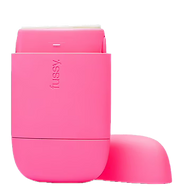
The Deodorant Detox

Why switching what we use daily can quietly support our hormones

Body care is often treated as an afterthought, yet what we apply every day matters. Deodorant sits close to lymph tissue and is used on absorbent skin, making ingredient choice especially important. Many conventional formulas rely on aluminium salts, synthetic fragrance, and preservatives that can interfere with hormone signalling.


During perimenopause, fluctuating hormones can change sweating patterns and body odour, something many women notice but rarely talk about. This often leads to reaching for stronger products, just as skin becomes more sensitive.


Probiotic deodorants are not just clever marketing. They work by supporting a healthy skin microbiome, helping beneficial bacteria outcompete odour-causing microbes. Alongside ingredients like magnesium and mineral salts, they neutralise smell without blocking sweat. The result is effective, skin-friendly protection that works with hormonal change rather than against it.

How We Get Collagen & Its Production

Collagen is produced inside the body rather than absorbed whole from skincare. It is made using amino acids from dietary protein, supported by nutrients such as vitamin C, zinc, copper, and iron. This process works best when overall nutrition is adequate and inflammation is well managed. Blood sugar balance, gut health, thyroid function, and hormones all influence collagen synthesis. External factors also play a role. UV exposure and smoking accelerate collagen breakdown, while daily sun protection helps preserve existing stores. Strength training and certain skin treatments stimulate the body’s natural repair response, supporting collagen production over time.

Experts To Follow

Noreen-Galaria Background Removed.png
DR. NOREEN 
GALARIA

COLLAGEN

The structural protein that quietly shapes skin, strength, and ageing

What Collagen Is And Why We Need It

Collagen is the most abundant protein in the body and a key structural component of skin, joints, bones, hair, and connective tissue. In skin, it provides firmness, elasticity, and strength, helping it look smooth, resilient, and supported. From our mid-twenties, collagen production naturally begins to decline. This gradual loss accelerates with hormonal changes, particularly falling oestrogen during perimenopause and menopause, as well as through sun exposure, inflammation, chronic stress, and smoking. As collagen levels fall, skin may become thinner, less plump, slower to heal, and more prone to fine lines, laxity, and textural change.

What Actually Works Best

Not all collagen supplements are equal, and many products on the market are unlikely to deliver meaningful skin benefits. Research showing improvements in skin elasticity and hydration has focused on hydrolysed collagen peptides, typically derived from bovine or marine sources. These peptides are broken down for absorption and provide specific amino acids, including glycine, proline, and hydroxyproline, which the body uses as building blocks for collagen synthesis. Supplements are sometimes labelled by collagen “type” such as Type I or Type III, but all oral collagen is digested into amino acids, and the body distributes them where needed rather than sending specific types directly to the skin.


Most studies showing benefit use doses of 2.5 to 10 grams daily, taken consistently for at least 8 to 12 weeks, and combined with vitamin C, which is essential for collagen formation. Even then, results tend to be subtle and supportive rather than dramatic.


Collagen supplements do not travel directly to the skin. They are digested like other proteins, and their impact depends on wider factors such as protein intake, micronutrient status, inflammation, hormones, sun exposure, and skin barrier health. When paired with collagen-stimulating treatments like microneedling or laser and good nutrition it supports healing and repair, but supplements alone cannot replace SPF, lifestyle choices, or professional skin care.

Colorful Soap Bubbles

Vitamin A works through a conversion process inside the skin. When we apply retinol, the skin must first convert it into retinoic acid, the active form that cells actually respond to. This happens in steps: retinol is converted into retinaldehyde, then into retinoic acid.


Retinoids is an umbrella term for vitamin A derivatives at different stages along this pathway. The closer an ingredient is to retinoic acid, the stronger and faster its effects, but also the greater the risk of irritation.


Tretinoin is pure retinoic acid. Because it requires no conversion, it delivers powerful results but can be drying and disruptive to the skin barrier, particularly in perimenopause and menopause. Retinol works more slowly, but is often better tolerated and easier to use long term when skin needs support, not stress.

VITAMIN A

PEPTIDES & CERAMIDES

Not all skincare works by doing more. Some of the most effective formulas are the ones that support what your skin is already trying to do.


Peptides are one of those behind-the-scenes heroes. These tiny chains of amino acids act like messengers, telling skin to support collagen, elastin, and repair. As natural collagen production slows with age, peptides help encourage skin to stay firm, responsive, and resilient.


Ceramides work differently, but just as beautifully. They are naturally found in the skin barrier and act like mortar between bricks, holding moisture in and irritation out. When ceramide levels drop, something that happens with age and hormonal change, skin can feel dry, tight, or suddenly reactive.


You will often see ceramides paired with cholesterol and fatty acids, which together rebuild the skin barrier and restore comfort. Add in niacinamide, a form of vitamin B3, and you get improved tone, reduced inflammation, and better hydration retention.

SKIN-PERFECTING ACIDS

At their best, acids help skin let go of what it no longer needs. Alpha hydroxy acids such as lactic and glycolic gently dissolve the bonds between dull, dead skin cells, revealing smoother, brighter skin underneath. Beta hydroxy acids like salicylic acid work slightly deeper, helping to clear pores, balance oil, and calm congestion.


Hydration-focused acids also play an essential role. Hyaluronic acid, naturally present in the skin, draws water into the upper layers, supporting plumpness, comfort, and elasticity, particularly as skin becomes drier with age and hormonal change.


As oestrogen declines, natural cell turnover slows. Skin can begin to look flat, uneven, or less radiant, even when well moisturised. Acids support this renewal process, refining texture, improving tone, and helping other skincare ingredients perform more effectively.

Womankind Web & Blog Images-4_edited.jpg
Dr Background Removed.-Maren-Locke-The-Budget-Dermatologist-Brand-Session-©-Images-by-The-

Experts To Follow

DR. MAREN 
LOCKE
RED FLAGS
migraines
dry eyes
dull hair
brain fog
constipation

Skin in Flow: Why Hydration Is Your Secret Beauty Weapon

How electrolytes and smart hydration can transform your skin, hair, and energy every single day

Hydration goes far beyond simply sipping water. For women, especially in mid-life, skin, hair, and energy levels respond to more than plain tap or bottled water. Electrolytes, potassium, magnesium, sodium, and calcium, all help cells hold onto water, support circulation, and keep repair processes humming.


Everyday life can quietly dehydrate you. Central heating in winter, long car journeys with air-conditioning, coffee, alcohol, hot weather, or even stress can leave skin tight, hair brittle, and energy low. Hormonal changes can make this more noticeable, contributing to dryness, brain fog, and headaches.


The trick is combining water with electrolyte-rich sources: coconut water, broths, leafy greens, chia seeds, or mineral-rich herbal teas. Think of it as gentle internal nourishment that supports skin plumpness, hair resilience, and overall vitality. Make it a daily ritual, and you will notice the difference, not just in your skin, but in how energised and alive you feel.

true-hydration-sachets-cutout-1 Background Removed.png
huntergathersachets.jpg
Hydrate_-_Carousel_-_Cover_-_1-min Background Removed.png
bulkbag Background Removed.png
Patterned Lemon Background

The key foods and nutrients your skin relies on every day

Edible Skincare Essentials

Skin’s structural foundation

Essential for collagen, elastin, and repair. Prioritise complete proteins such as eggs, fish, poultry, legumes, and tofu to support firmness and healing.

Hero item: Wild salmon

Protein

Omega-3 Fats

Vitamin C

Collagen’s essential co-factor

Required for collagen formation and antioxidant defence. Found in citrus, berries, kiwi, peppers, and leafy greens.

Hero item: Kiwi fruit

Barrier strength and calm

Support the skin barrier, reduce inflammation, and improve hydration. Found in oily fish, flaxseed, chia, and walnuts.

Hero item: Sardines

Repair and resilience

Supports wound healing, oil balance, and immune defence. Found in shellfish, pumpkin seeds, lentils, and whole grains.

Hero item: Pumpkin seeds

Zinc

Daily protection against ageing
Plant compounds that combat oxidative stress. Found in berries, green tea, dark chocolate, olives, and herbs.
Hero item: Blueberries

Polyphenols

Fibre 

Clear skin starts in the gut

A healthy microbiome supports hormone balance and reduces inflammation. Focus on vegetables, beans, whole grains, and fermented foods.

Hero item: Lentils

Electrolytes

Cellular plumpness

Water supports circulation and nutrient delivery, while minerals help retain hydration within skin cells.

Hero item:

Coconut water

1 Background Removed.png
10.jpg

When Skincare Promises Go Further Than the Science

Skincare marketing is filled with seductive promises. Wrinkle eraser. Menopause-proof. Clinically proven. Instant lift. These phrases are designed to sound reassuring and authoritative, yet many are based on clever wording rather than meaningful evidence. Skin responds to active ingredients, formulation quality, hormones, lifestyle, and consistency, not slogans printed on a bottle.


In the UK, terms like natural, clean, and green are largely unregulated. A product can carry these labels while still containing synthetic ingredients, preservatives, or compounds linked to irritation and hormonal disruption. Organic sounds more robust, but it only holds weight when backed by recognised certifications such as Soil Association, COSMOS, or Ecocert. Without these, organic is simply a marketing claim.


Even phrases like clinically proven or dermatologist approved may reflect limited internal testing rather than independent, peer-reviewed research. Expensive packaging, luxury branding, and influencer endorsements often create a sense of trust that is not supported by ingredient transparency or formulation strength.


The most reliable information lives beyond the front label. Ingredient lists, concentration levels, credible certifications, and evidence-based actives matter far more than glossy promises. In a crowded beauty landscape, informed curiosity is far more powerful than reassurance sold through marketing language.

Orange And White Flowers

Kind Skincare Brands

Daily_Skin_Essentials_PDP Background Removed.png
limited-edition-body-trio-gift-set-save-28-8498466 Background Removed.png
day-night-facial-oil-duo-save-10-203229 Background Removed.png
EM081-881-yam-and-pumpkin-pro-enzyme-peel-20-percent-pdp-pro-product-1500x1125 Background
neals-yard-remedies-bundles-clarifying-trio-40709984256220 Background Removed.png
antipodes-skincare-592127 Background Removed.png
003237_A.png.avif
9964629 Background Removed.png
Trilogy-Active-Enzyme-Cleansing-Cream_1200x Background Removed.png
Sweet_Bee_Organics_Sleep_Masks-02_f199295e-3af2-4a93-8ffb-269b44c59619 Background Removed.
Sweet_Bee_Organics_Sacred_Skin_Bundle-01 Background Removed.png
TRL3241-1__47829 Background Removed.png
Fierce_Nature_-_07450 Background Removed.png
bottom of page